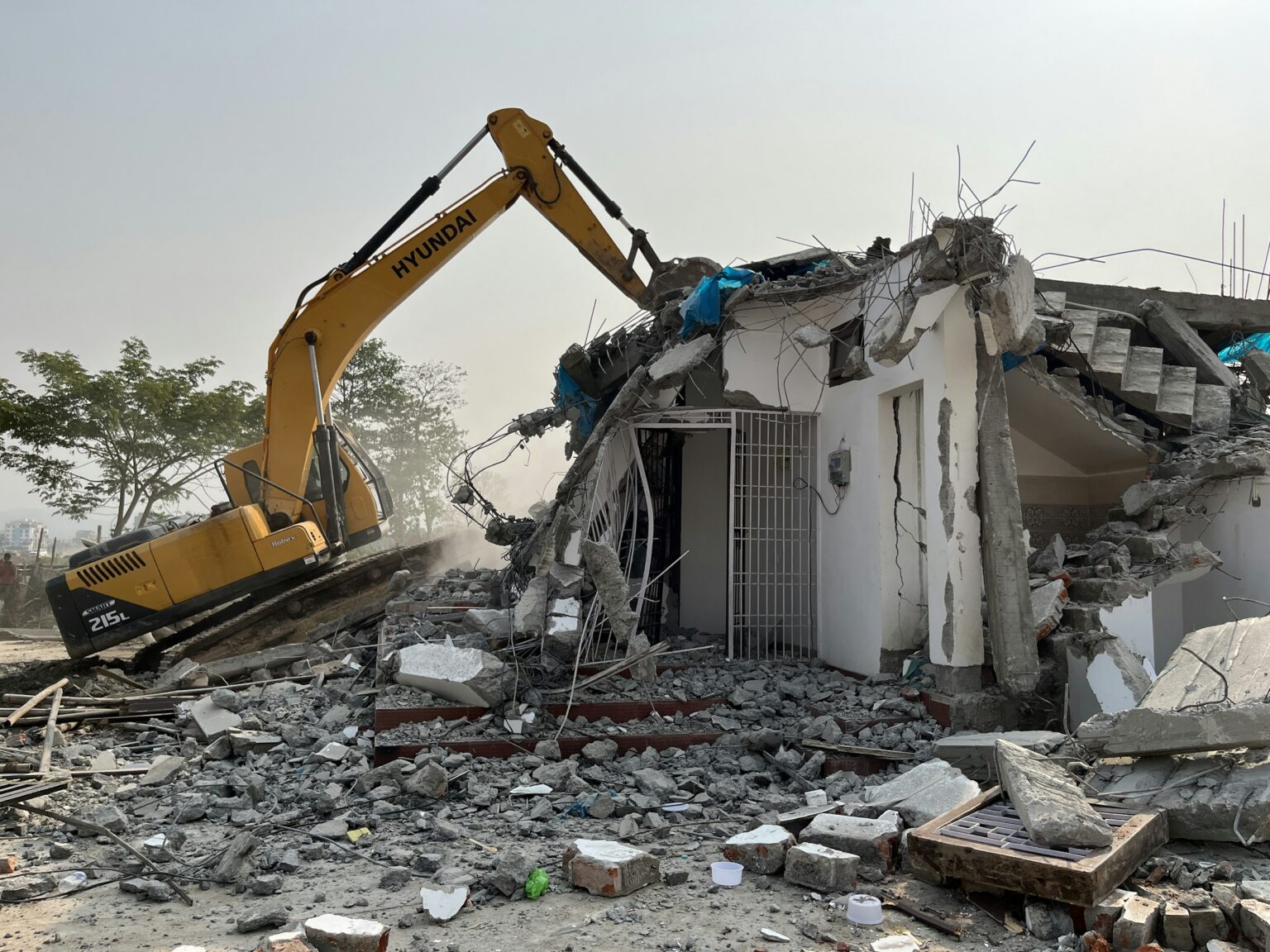
Mixed construction and demolition waste.
When a site produces a bit of everything, loads go to sorting facilities that recover concrete, metal, wood and cardboard.
Mixed construction & demolition waste
Mixed loads, sorted properly.
When a site produces a bit of everything — rubble, timber, metal, gypsum and packaging — the load goes to a facility that sorts it. Recyclable fractions are recovered; only the rest goes to landfill.
- Becomes
- Sorted recyclables + residue
- Goes to
- Sorting / recovery facility
- Best as
- Non-hazardous mixed waste
Accepted
- Mixed demolition rubble
- Timber, pallets and formwork
- Scrap metal and cables
- Gypsum board and plaster
- Packaging, cardboard and plastic from site
Not accepted
- Asbestos
- Paints, solvents, oils or chemicals
- Batteries and electronic waste
- Medical or household waste
- Gas cylinders
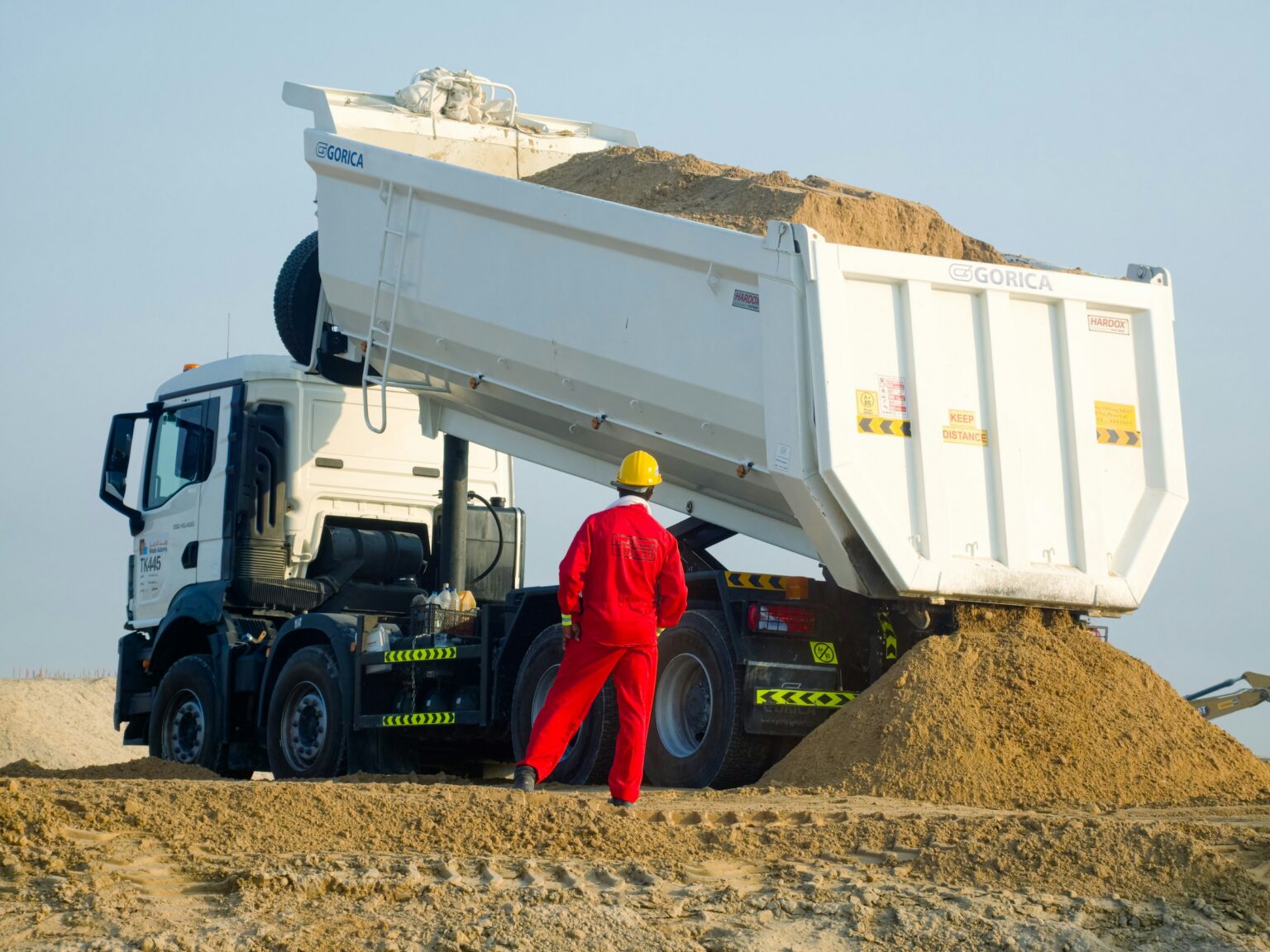
How it’s recycled
- Step 01Weigh in
The load is checked and weighed at the weighbridge.
- Step 02Sort
Material is sorted by machine and by hand into separate streams.
- Step 03Recover
Concrete, metal, wood and cardboard go to their own recycling routes.
- Step 04Dispose of the rest
Only what cannot be recovered goes to an approved landfill.
What it becomes
- Recycled aggregate from rubble
- Scrap metal
- Wood chips
- Recycled cardboard and plastic
Prepare your load
- 01
Separate concrete and soil where you can — mixed loads cost more.
- 02
Keep hazardous items like paint tins and batteries out of the skip.
- 03
Flatten packaging to save space.
- 04
Photograph the load before it leaves site.
Questions
Why does mixed waste cost more?
It has to be sorted before it can be recycled, and part of it still ends up in landfill. Separating the big streams on site saves money.
What happens to the part that can’t be recycled?
It goes to an approved landfill. The receipt records the facility and the outcome of each load.
Is hazardous waste accepted?
No. Zero Waste Qatar is for non-hazardous construction and demolition waste only.
What proof do I get?
A weighbridge receipt for every load, with the net weight and a code anyone can verify.
Know roughly how much you have?
Get an instant estimate of trucks and cost, then post the job to get real quotes from verified transporters.